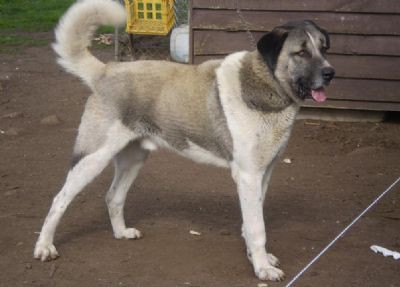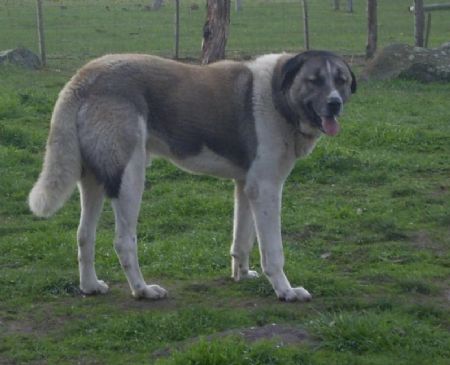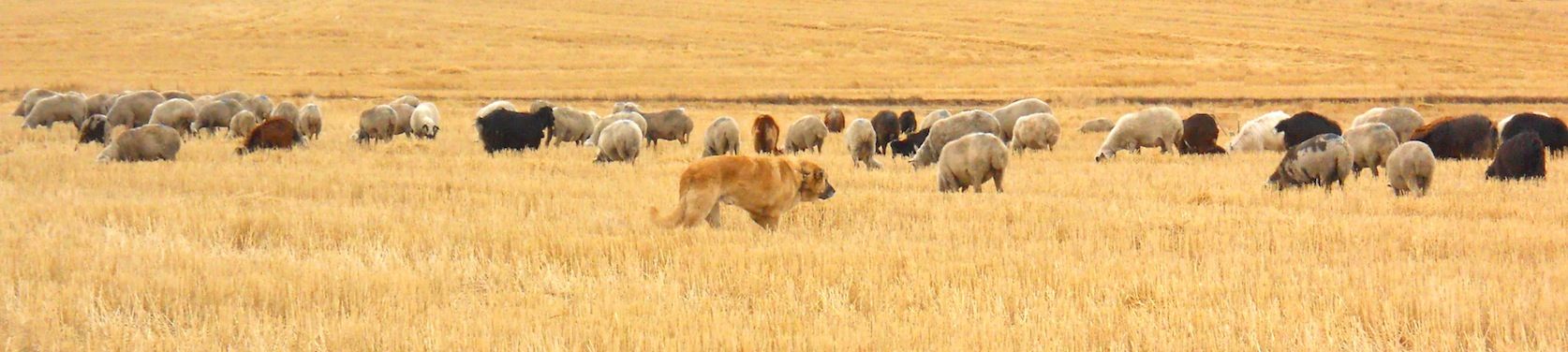
Anatolian or Kangal?
KANGAL AND ANATOLIAN SHEPHERD BREED FACTS
- Making Anatolian Shepherd Dogs into Kangal Shepherd Dogs: The Turkish Kennel Club Solution
- Is a Anatolian Shepherd Dog the same breed as the Kangal?
- What is the difference between Kangal and Anatolian?
- Registration outcomes for Anatolian Shepherd / Kangal in other countries
- Making Anatolians into Kangal Dogs: the Australian Outcome and Experience
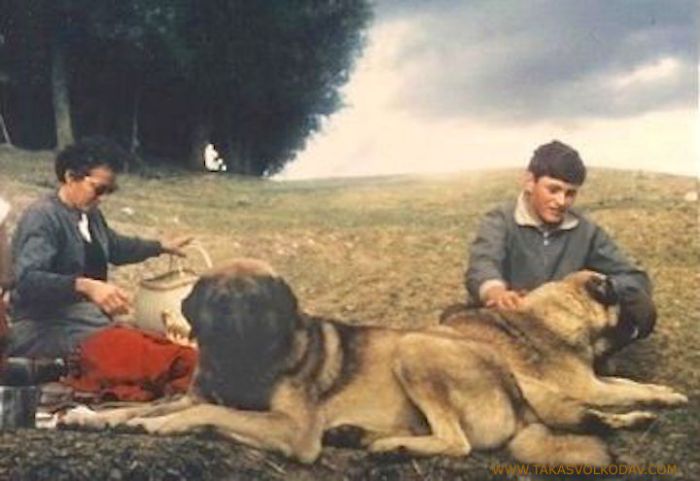
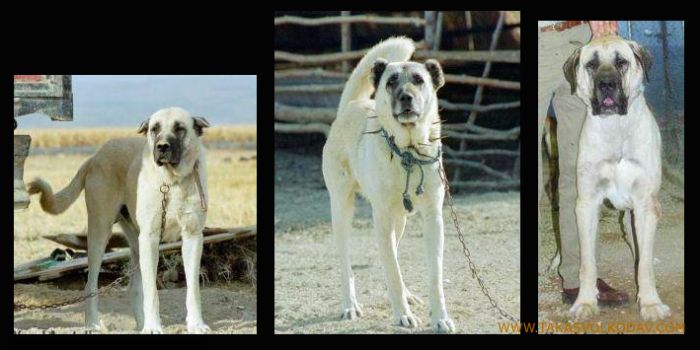
Ankara c. 1955
Making Anatolian Shepherd Dogs into Kangal Shepherd Dogs: The Turkish Kennel Club Solution
On 15 June 2018, the Turkish Kennel Club (KIF) - Köpek Irklari ve Kinoloji Federasyonu, a Full Member of the Fédération Cynologique Internationale (FCI), effected Anatolian Shepherd Dogs and Kangal Shepherd Dogs to be the same breed.
Hence:
FCI Kangal Shepherd Dog = Standard No. 331 = FCI Anatolian Shepherd Dog
All FCI Anatolian Shepherd Dogs are now FCI Kangal Shepherd Dogs.
The breed name Anatolian Shepherd Dog was renamed to Kangal Shepherd Dog, and some of the breed standard content was updated.
The significant difference is acceptable colour. The breed standard template and genetic breed base is FCI 1989 Anatolian Shepherd Dog.
Therefore in 2018, the answer to the age old questions:
Is a Anatolian Shepherd Dog the same breed as the Kangal?
The answer is: Yes, the Kangal and Anatolian Shepherd Dog are the same breed.
What is the difference between Kangal and Anatolian?
The answer is: The difference between Kangal and Anatolian Shepherd is breed name and the allowable colour in the breed standard. The Kangal and Anatolian both have the same breed standard base, and that is the FCI 1989 Anatolian Shepherd Dog breed standard. Each recognised international registry has its own breed standard for the breed, as they have for every other breed of dog. And like all breeds of dogs there are slight differences between each standard - it does not make the dogs in each country different breeds, it simply means the 'ideal description' of the breed varies.
It is important to emphasise the Turkish Kennel Club (KIF) Kangal Shepherd Dog is not defined as a separate breed to the FCI Anatolian Shepherd Dog, nor does the Anatolian Shepherd cease to exist as a breed. In simple terms what has occurred is the population of FCI Registered Anatolian Shepherd Dogs have been renamed to Kangal Shepherd Dog, and an updated breed standard for that population of dogs put in place. If it was intended or possible for the Kangal Shepherd Dog breed to be genetically distinct and differentiated from the Anatolian Shepherd Dog, the Kangal Shepherd Dog would have undergone the FCI Provisional and Definitive breed recognition process and be issued its own FCI Standard Number.
The FCI Standing Orders outlining the procedure for the International recognition of new breeds is detailed here. It was not necessary for the Turkish Kennel Club to follow this procedure for Kangal, as Kangal is not a new breed. Kangal is merely the renaming of an existing breed internationally recognised on a definitive basis - the Anatolian Shepherd Dog.
The reason why the Turkish Kennel Club was able to rename Anatolian Shepherd Dog into their preferred breed name of Kangal Shepherd Dog, is because Standard No. 331 Anatolian Shepherd Dog, was allocated to the Turkish Kennel Club when the Turkish Kennel Club became a Full Member of the FCI in 2017. The owner or patron of a Standard can make any changes to the breed standard content, pending approval of the FCI Standards Commission. Therefore breed fanciers of Anatolian and Kangal should understand that the renaming of Anatolian Shepherd Dog to Kangal Shepherd Dog occured according to FCI process, and the FCI Standards Commission decision: the Kangal Shepherd Dog population is the 'same breed population' as the the Anatolian Shepherd Dog population. The objective of FCI and the Turkish Kennel Club is to recognise their population(s) of dogs. In order for this to occur - IE: for there to be official recognition of a standardised population of Turkish Shepherd Dogs named Kangal - required the compromise of the Turkish Kennel Club to accept new politics about Kangal. The acceptance being: the population of FCI registered Anatolian Shepherd Dogs outside of Turkey are the same breed as Turkish Kennel Club registered Kangals in Turkey.
The reality is registered Anatolian Shepherd Dog and Kangal Shepherd Dogs were never differentiated breeds. They were the same dog with different colour ideals, and classified according to the name of their Standard. Throughout the development of the breed and its breed name transformations (Anatolian Karabash was the precursor to Kangal Dog), the breed standards described the same type of dog, it was only ideology about colour which was the point of difference.
In the beginning, in the absence of pedigrees, colour was the yardstick for purity and breed identification. Hence a characteristic black mask, and a fawn coloured dog with black toe nails became important indicators to breed fanciers who believed uniformity of appearance was crucial to establishing the breed. Likewise colour became the point of difference for fanciers who held the opposing view, that coat colour was not indicative of purity or paramount to breed identity. In any case, despite popular expectation that the Turkish Kennel Club would recognise Kangal as a separate breed to Anatolian, the realities of breed differentiation determined the colour divide between Kangal and Anatolian was simply that, a divide about colour only, and therefore all FCI Anatolian Shepherd Dogs are now FCI Kangal Shepherd Dogs.
Registration outcomes for Anatolian and Kangal Shepherd Dogs in other countries:
The international organisations with the largest population of dogs do not separate the breed into Kangal and Anatolian Shepherd Dog. Each registers the breed as one population according to the Standard in use
FCI Federation CynoIogique International: All FCI Anatolian Shepherd Dogs are now FCI Kangal Shepherd Dogs.
AKC American Kennel Club: As FCI Anatolian = Standard no. 331 = FCI Kangal, the AKC applies the converse and FCI Kangal Shepherd Dogs are registered as AKC Anatolian Shepherd Dogs.
ANKC Australian National Kennel Club: ANKC re-registers Kangal Shepherd Dogs as Anatolian Shepherd Dogs (2010 to June 2018).
KC The Kennel Club England: The KC is the only recognised organisation actively registering Anatolian as a separate breed to kangal. However KC separated Anatolian and Kangal in 2013 - prior to the FCI Anatolan Shepherd Dog standard rename to Kangal. From June 2018, KC registered Anatolian Shepherd Dogs are ostracised from their established genetic exchange in the FCI. The experience of the ANKC which separated Anatolian and kangal from 1998 to 2011, was that without genetic exchange a breed will fail. It also struggles to attract new participants. The future of the KC Anatolian Shepherd Dog - AS A SEPARATE BREED - is uncertain. From 2014 to 2017 the average yearly registration was 8.
About breed names:
A breed name change does not remove a breed from exisiting. It is a change of breed name only. The international population of a breed is not required to go by the same name and follow the same breed standard.
For example:
FCI American Akita = ANKC Akita = KC Akita
FCI Akita = ANKC Akita Japanese = KC Japanese Akita Inu
FCI Kangal Shepherd Dog = AKC Anatolian Shepherd Dog = KC Turkish Kangal Dog
What determines a breed name and a breed standard?
There are many dog breed registries in the world, but from the Australian international perspective, the only registries which are recognised, are the International Recognised Registries, or Controlling Bodies.
These are:
ANKC - Australian National Kennel Council
FCI - Fédération Cynologique Internationale. All Full and Associate Members plus Contract Partners as listed on the FCI website. This includes New Zealand Kennel Club (NZKC) and the Turkish Kennel Club (KIF).
KC - The Kennel Club England
AKC - American Kennel Club
CKC - Canadian Kennel Club
All other Canine Controls are not recognized and have no international standing or influence over breed standards and breed names.
Anatolian or Kangal?
Making Anatolians into Kangal Dogs: The Australian Outcome and Experience
|
The following article was written in 2008. It is the outcome and experience of Turkish Shepherd Dogs registered as Kangal Dogs and Anatolian Shepherd Dogs in Australia from 1998 to 2011. It is written from the Australian experience of registering Anatolian Shepherd Dogs as Kangal Dogs, based on phenotype. IE: attempting to assert 'pure breed' and delineate difference between ANKC Anatolian Shepherd Dog and ANKC Kangal Dog based on coat colour and coat length. "one crazy man throws a stone into a well. *** "At the October 2011 ANKC Ltd Board meeting it was resolved that as from 1 January 2012 all Kangal Dogs on the national database will be changed to Anatolian Shepherd Dogs."
Except for the Kangal Dogs imported by Hakiki Kennels (Sivas Regals Pasha, Kangal Aga's Ulu Bey, Ayla) ALL Registered Kangal Dogs and Anatolian Shepherd Dogs in Australia have the same dogs in their pedigrees and are from the same foundation stock.
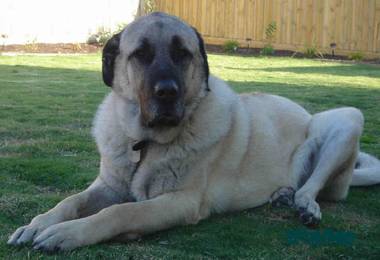
The Australian (ANKC) Kangal breed standard was adopted from mostly American and English sources in 1998, in an attempt to DIFFERENTIATE Kangal Dogs from Anatolian Shepherd Dogs. So apart from causing wide spread confusion about what is what, all the breed split decision did was allow breeders who believed in the 'Anatolian' ethos on Turkish dogs, to breed Anatolians, In all other respects the dogs are the same. And so in Australia the dogs of Turkey are registered as either Anatolian Shepherd Dogs or Kangal Dogs - there is no set of criteria which sets one apart from the other - Kangals can or cannot have a black mask, and so can Anatolians. The Kangal breed standard refers to the body colour as 'dun'; Anatolian breeders (and most Kangal breeders) refer to the body colour as 'fawn' (boz).
ANATOLIAN SHEPHERD DOG & KANGAL DOG REGISTRATION IN AUSTRALIA
Recognising the Kangal as a separate and distinct breed, implies that the ANKC is taking the approach of recognising each subtype of the Coban Kopegi (Turkish Shepherd). Which is all fine and well, as the Kangal Dog IS a type of Turkish Shepherd. However so is the Yoruk, Haymana, Aksaray, Akbas, Tuzkoy etc but the ANKC also has simultaneous recognition of Anatolian Shepherd Dog, which incorporates all of the above. So the ANKC is in the unique position, where it effectively has two classification systems, and so two breed standards that describe one group of dogs with the same pedigrees.
A significant factor behind the FCI, KC, and AKC refusing separate recognition of the Kangal, is that by standard definition, the Kangal is a subset of Anatolian - and there is no effective means to definitively separate one from the other.
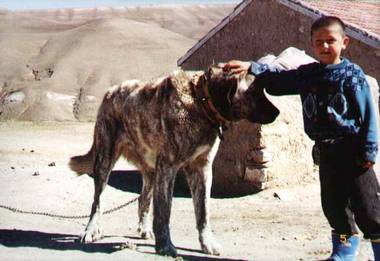
Indeed this Turkish tradition of using different names with similar words and meanings, resulted in American, Australian and UK Kangal breeders, promoting a simplistic generalisation that was 'easier' to understand - Correctly coloured dogs are the 'kangal' breed, white dogs are 'akbas' breed and the rest are 'Anatolian'. Although this generalisation might make it easier for those in USA, Australia and UK to 'understand' the dogs of Turkey and enable breed standards to be conjured and joined to our kennel clubs - it is not accurate of Kangal and Çoban Köpegi breeders / owners / researchers in Turkey, who speak a language where Kangals may also be brindle (Karayaka), red (Kizilyaka), black or white (Ayaka).
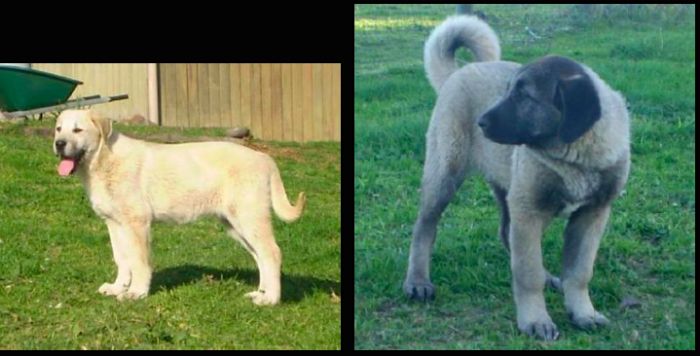
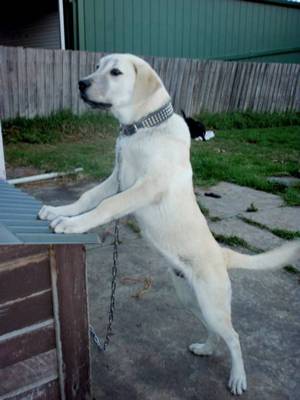
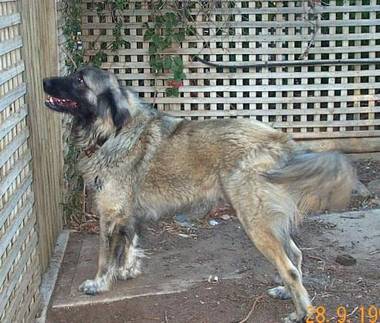
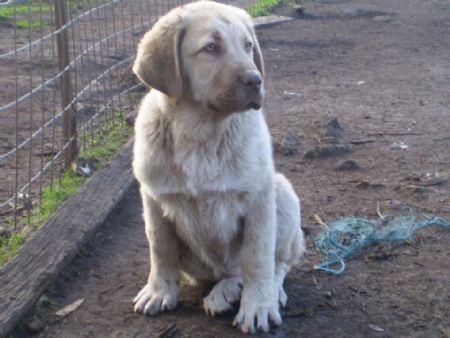
White male Kangal puppy in Australia - The Kangal standard does not allow long (rough) coated dogs, but this does not imply that long coat dogs are not found in the Kangal population in Australia - currently there are more long coated 'Kangals' than long coated 'Anatolians'.
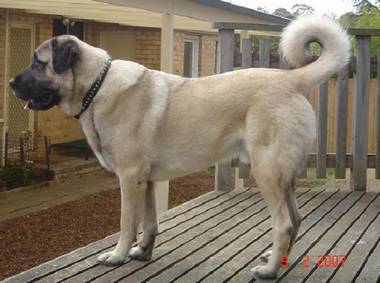
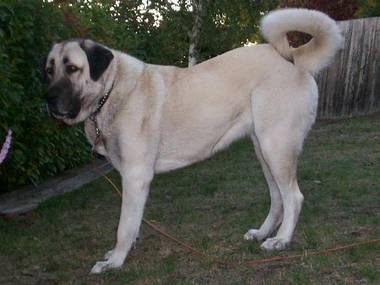
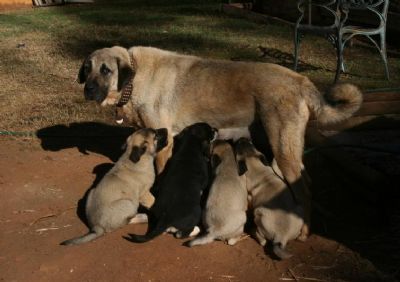
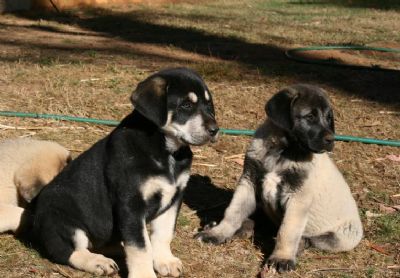
The most common misconception, is that the difference between an Anatolian and Kangal is the existence of a black mask - ie a Kangal has a black mask and an Anatolian doesn't. Most Kangals (and Anatolians) will be dun/fawn with a black mask, but sometimes - rarely - in a litter there may be one or two which inherit a set of recessive genes which gives them a different colour to their siblings.
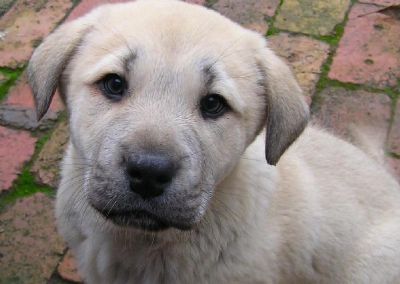
Kangal puppy with light brown mask:
Pinto (white spotted) Kangal:
S: Karetaker Akilli [Sivas Regal Pasha x Hakiki Karamella (Hakiki Hazine x Ayla)]
|